low end tidal co2 after intubation
A high peak of the alveolar phase in poorly compliant lungs. Capnography is also the most reliable indicator that an endotracheal tube is placed in the trachea after intubation.

Pin On Etco2
End-Tidal CO2 in Cardiopulmonary Resuscitation EtCO2 in CPR.

. Age gender vital signs laboratory findings are recorded. ETCO2 is one valuable tool we have to tell us that good quality compressions are being delivered. Bhende MS Karasic DG Karasic RB.
Two very practical uses of waveform capnography in CPR are. Normal ETCO2 in the adult patient should be 35-45 mmHg. The goal should be to maintain ETCO2 no lower than 10-20 mmHg.
This may result from such ventilatory problems as high mean airway pressure or inadequate exhalation time resulting in overdistention or from such circulatory problems as. End-tidal carbon dioxide cannot be used to rule out severe injury in patients meeting the criteria for trauma care. Objectives Background Life like end-tidal CO2 production has been reported in frozen cadaver during intubation training.
1 evaluating the effectiveness of chest compressions and 2 identification of ROSC. The PETCO2_1 and PETCO2_2 measurements were. This disposable bedside detector registers three ranges of CO2 concentration.
After intubation if ETCO 2. The mean CO2 gap after 24 h was only 064 082 kPa and no. End-tidal clearance must be evaluated in the context of the patients perfusion status.
This will cause a decrease in the ETCO2 end-tidal CO2 and this will be observable on the waveform as well as with the numerical measurement. Changes in the shape of the capnogram are diagnostic of disease conditions while changes in end-tidal CO 2 EtCO 2 the maximum CO 2 concentration at the end of each tidal breath can be used to assess disease severity and response to treatment. Graphically this difference in ROSC vs non-ROSC PetCO2 for both groups appeared to be even greater at ten minutes.
Negative Epigastric sounds Equal lung sounds Esophageal detector End tidal CO2 detector Secondary signs. A low P a CO2 level is correlated with increased risk of cerebral edema in children with DKA. End-tidal CO2 EtCO2 monitoring is a measure of metabolism perfusion and ventilation.
Consequently a strategy of high-frequency low-tidal volume breaths will tend to achieve less CO2 clearance for any specific total minute ventilation. There is currently no human model of CPR however the new technique of post-mortem CT PMCT uses CPR to circulate injected contrast for an enhanced CT scan to aid the diagnosis of the cause of death. Misting increased SaO2 Types of End-Tidal CO2 Qualitative Yes or No.
2345 ETCO 2 monitoring is one of the objective. The mean age of the 48 patients was 74 years. Maximum end-tidal carbon dioxide Et co 2 within 5 minutes of the onset of mechanical ventilation in the operating room ORBox plot with data points overlaid.
A low P a CO2 level is correlated with increased risk of cerebral edema in children with DKA. For example increased dead space is seen in pulmonary embolism in pneumonia or. Dead-space ventilation results in ventilated alveoli with insufficient perfusion which leads to low ETco 2.
423 20 mmHg versus 34 255 mmHg. 1 It has been used extensively in operating theatres and intensive care units for the past 25 years and increasingly in emergency departments and the prehospital setting. A purple indicates low levels and probable esophageal intubation.
Immediately after intubation as measured by the capnography the initial PETCO2_1 and at post-ventilation 15 min PETCO2_2 and first second arterial blood gas analysis are recorded. This might give the potential to compare different. 428 153 mmHg versus 323 141 mmHg.
B beige indicates moderate levels and probable tracheal intubation. Murphy RA Bobrow BJ Spaite DW et al. NaHC03 will increase EtCO2 because it splits into CO2 and H20 So if rises after NaHCO3 do.
The hinges represent the first and third quartiles the notches represent the 95 confidence interval CI of the median and the whiskers extend to 15 interquartile range. Confirmation of endotracheal intubation is vital in airway management in the emergency department. Association between prehospital cpr quality and end-tidal carbon dioxide levels in out-of-hospital cardiac arrest.
A purple indicates low levels and probable esophageal intubation. The higher the ETCO2 measured during compressions the better the perfusion being supplied by CPR. In mmHg the PetCO2 values for those with and without ROSC after five minutes of CPR was.
The correlation between EtCO2 and PaCO2 at admission was low Pearsons r 287. End-tidal carbon dioxide reflects CO 2 concentration of alveoli emptying last. Though initially there is some CO 2 returning though the tube one finds with subsequent breaths the end tidal graph is lower and lower and the patient is getting more and more hypoxic.
The normal values of end-tidal CO 2 is around 5 or 35-37 mm Hg. End tidal carbon dioxide ETCO 2 monitoring is the noninvasive measurement of exhaled CO 2 first studied clinically by Smallhout and Kalenda in the 1970s. An ETCO2 below 10 mmHg is associated with poor outcome.
End tidal normally 2-5 mmHg lower than arterial Comparing Arterial and End-tidal CO2 Review of Airway Confirmation Visualization Auscultation. However EtCO2 is an extremely powerful surrogate for endotracheal tube ETT P osition CPR Q uality R eturn of spontaneous. In the ED we typically think of a EtCO2 as a marker of perfusion and ventilation.
Congratulations youre in the oesophagus. End tidal carbon dioxide ETCO 2 monitoring is the noninvasive measurement of exhaled CO 2 first studied clinically by Smallhout and Kalenda in the 1970s. A semiquantitative colorimetric FEF end-tidal CO2 detector Fenem Inc New York NY was used to evaluate endotracheal versus esophageal intubation.
A low end-tidal CO2 in hypothermia. The use of quantitative end-tidal capnometry to avoid inadvertent severe hyperventilation in patients with head injury after paramedic rapid sequence intubation. A low end-tidal CO2 may indicate poor perfusion hypovolemia or sepsis.
Alveolar dead space may be increased in most types of lung disease reflecting dysfunction at the alveolar vascular or airway level. The gradient between the blood CO 2 PaCO 2 and exhaled CO 2 end-tidal CO 2 or PetCO 2 is usually 5-6 mm Hg.
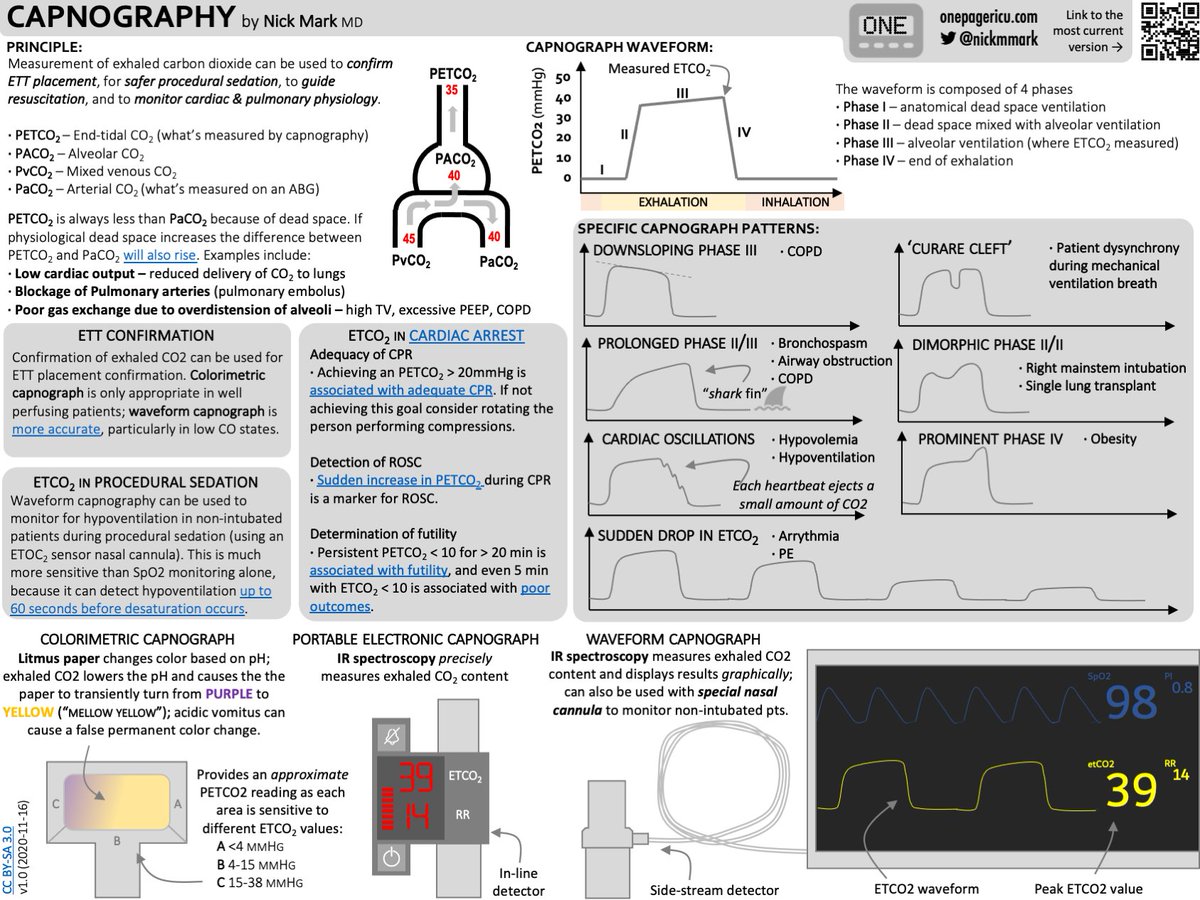
Nick Mark Md On Twitter End Tidal Co2 Monitoring Capnography Is An Important Technique To Guide Resuscitation Confirm Ett Intubation Monitor Physiology Make Procedural Sedation Safer Here S A New1 Onepager All About

Waveform Capnography In The Intubated Patient Emcrit Project
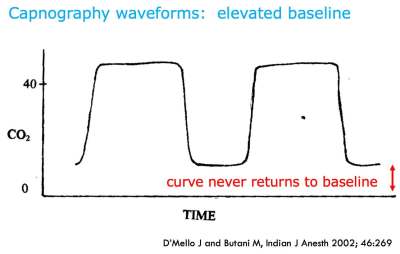
Waveform Capnography In The Intubated Patient Emcrit Project

Monitoring Ventilation With Capnography Nejm

Waveform Capnography In The Intubated Patient Emcrit Project
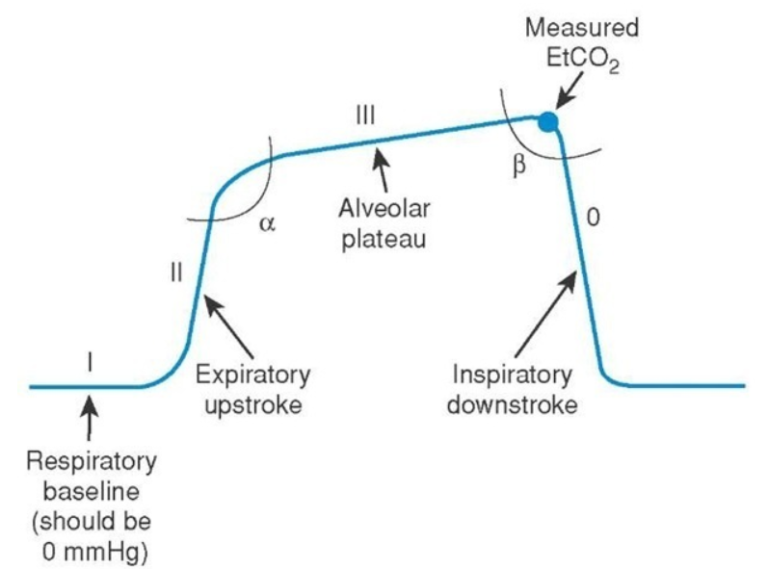
End Tidal Co2 The Drummer Of The Vital Sign Band Pem4
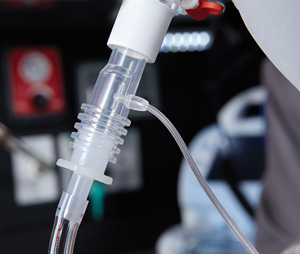
3 Things To Know About Capnography And Advanced Airways Capnoacademy Capnoacademy

Waveform Capnography In The Intubated Patient Emcrit Project
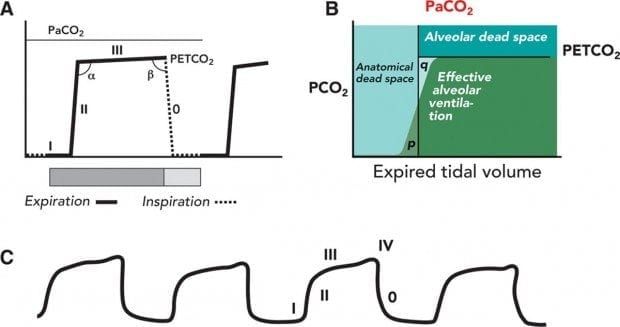
Capnography Waveform Interpretation Litfl Ccc Equipment
A Systematic Approach To Capnography Waveforms Jems Ems Emergency Medical Services Training Paramedic Emt News

The Impact Of Ventilation Rate On End Tidal Carbon Dioxide Level During Manual Cardiopulmonary Resuscitation Resuscitation

Waveform Capnography In The Intubated Patient Emcrit Project
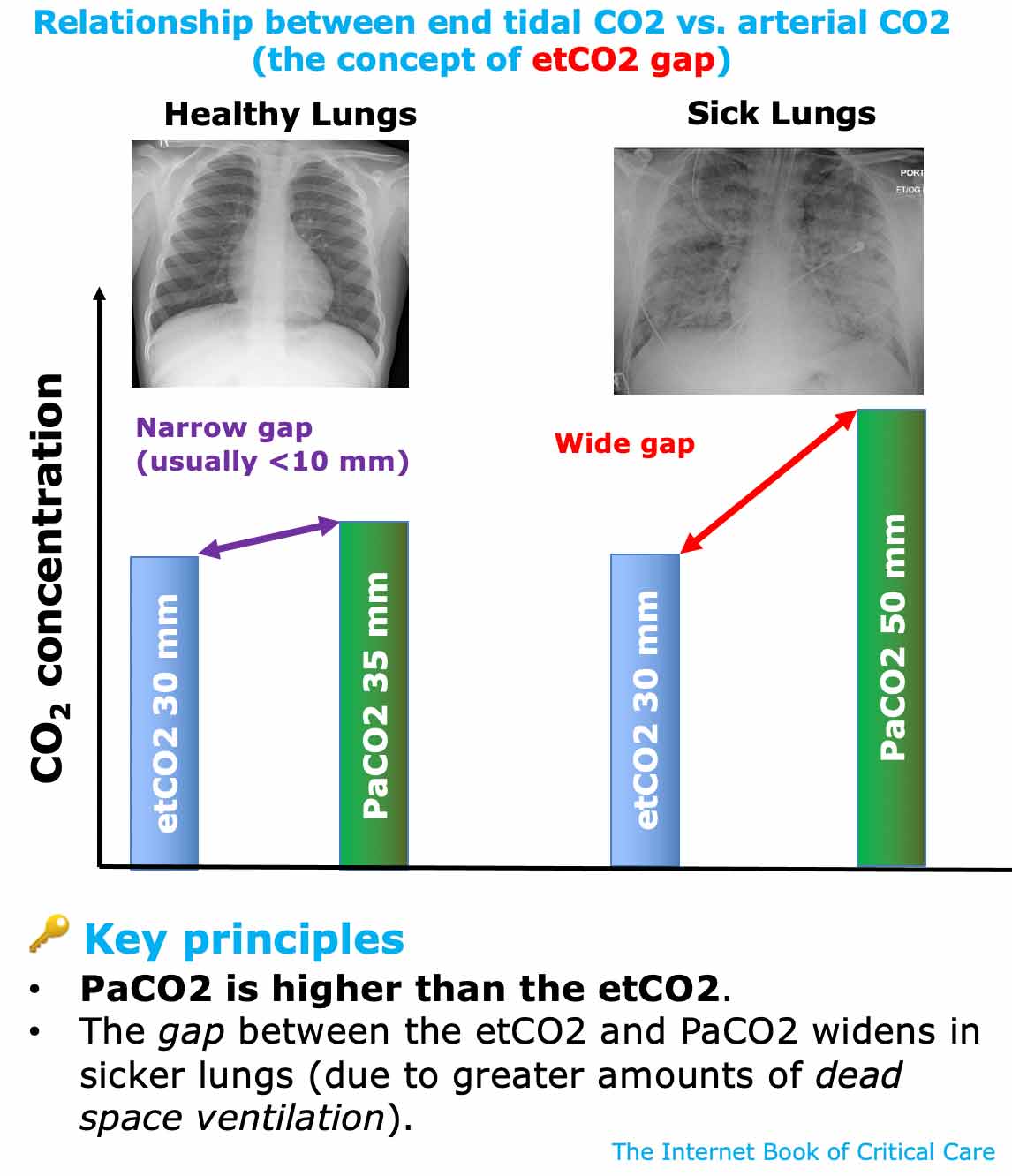
𝙟𝙤𝙨𝙝 𝙛𝙖𝙧𝙠𝙖𝙨 On Twitter The Neat Thing About Etco2 Is That If We Are Wrong And The Patient S Lungs Are Sicker Than We Thought We End Up Erring On The Side

Potential Applications Of Capnography In The Prehospital Setting Journal Of Paramedic Practice
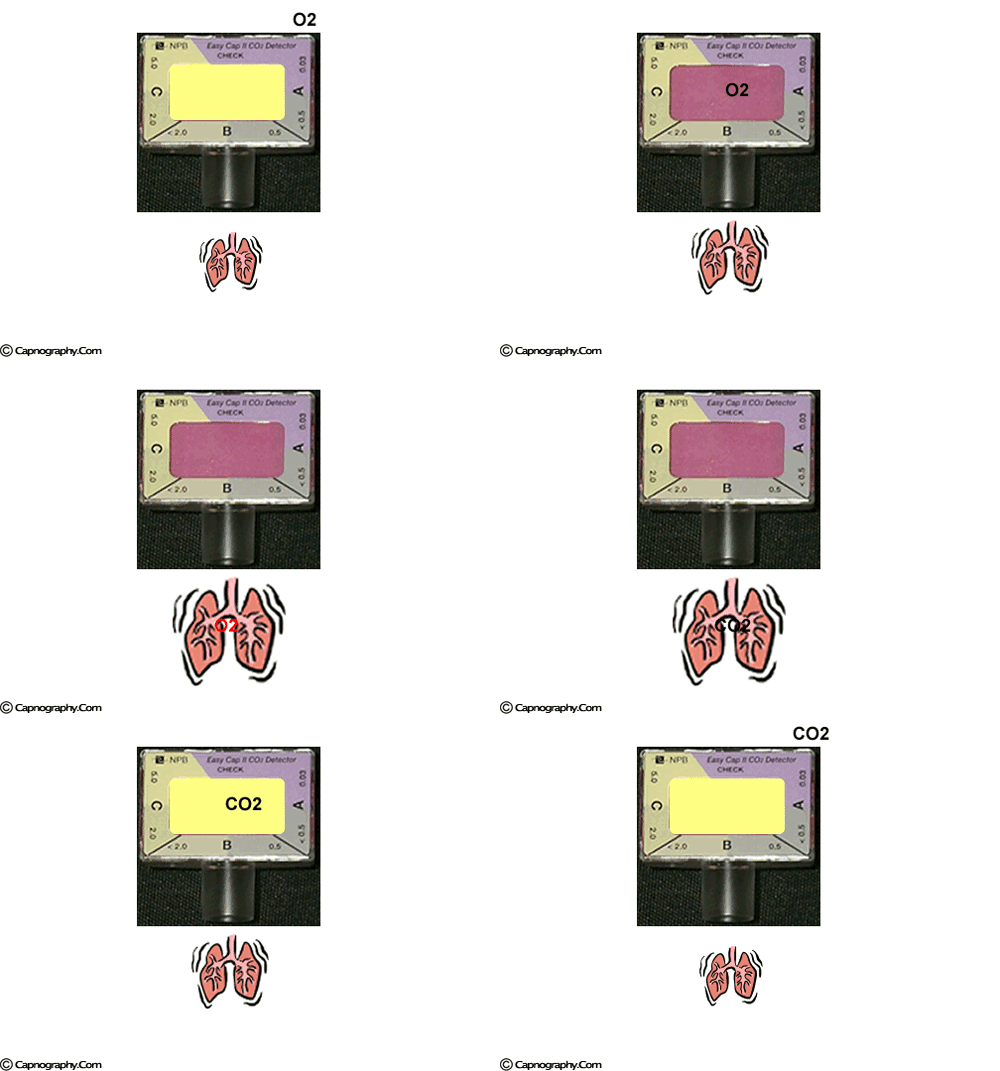
Emergency Intubations Capnography

Evidence Supports Using End Tidal Carbon Dioxide To Detect Prehospital Sepsis Jems Ems Emergency Medical Services Training Paramedic Emt News
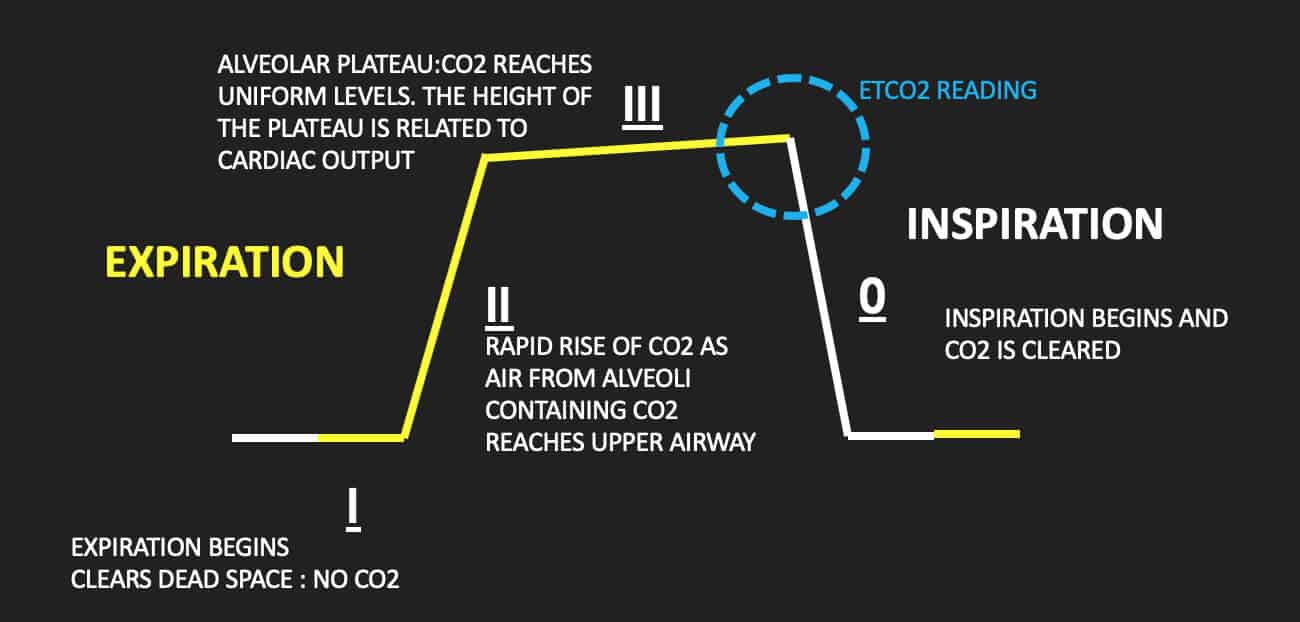
Capnography Resus
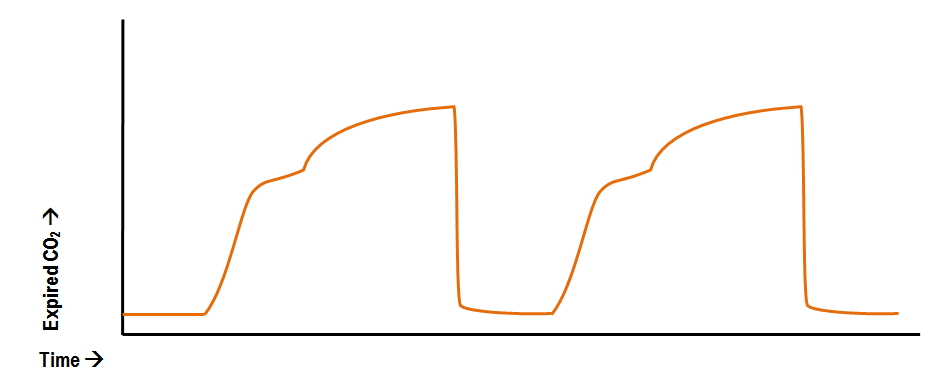
Abnormal Capnography Waveforms And Their Interpretation Deranged Physiology

Reversible Causes Of Low Etco2 In Cpr Criticalcarenow